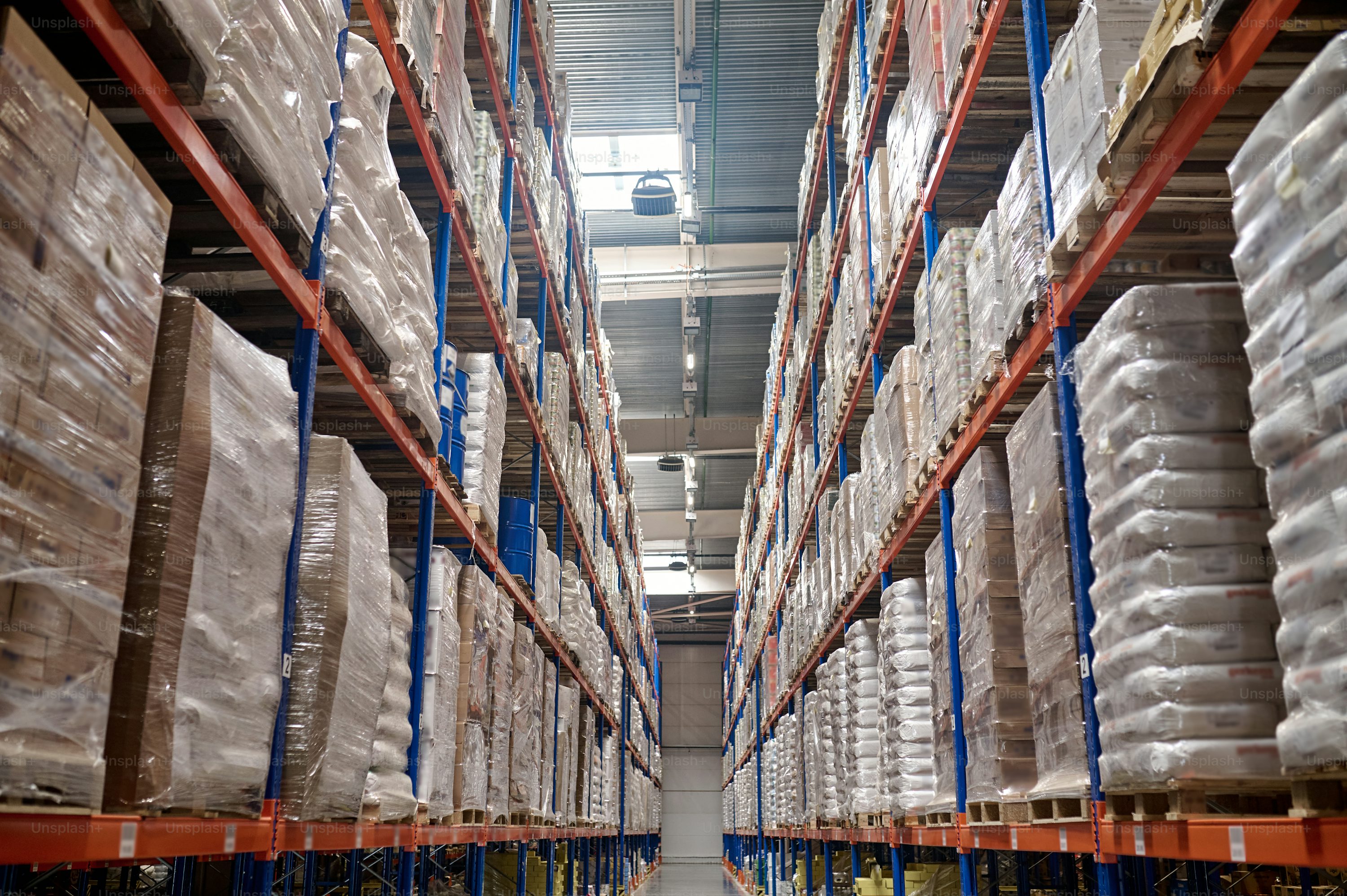
UNIT TITLE: Storage of Goods
UNIT DESCRIPTION
This unit equips trainees with the knowledge and hands-on skills required to effectively store goods in an organizational setting. It focuses on principles of storage, methods of handling different categories of goods, store layout, space utilization, and preservation techniques to prevent loss, damage, or deterioration.
The unit also covers stock identification, documentation, inventory control procedures, safety and security measures, and adherence to organizational policies and standard operating procedures (SOPs). Emphasis is placed on practical storage operations, accuracy in record keeping, and compliance with occupational health and safety regulations.
By the end of the unit, trainees will be competent in receiving, storing, preserving, issuing, and controlling goods while maintaining safe, orderly, and efficient storage facilities.
DURATION
-
Total Duration: 13 weeks
-
Contact Hours: Approximately 3 hours per week
-
Total Contact Hours: 39 hours
ASSESSMENT (CAT & FINAL ASSESSMENT)
Continuous Assessment Tests (CATs) – 60%
-
CAT 1: Written Test (20%)
-
Principles of storage
-
Types of goods and storage methods
-
Importance of proper storage
-
-
CAT 2: Practical Assessment (25%)
-
Goods receiving and storage procedures
-
Store layout and space utilization
-
Handling and preservation of goods
-
-
CAT 3: Assignment / Case Study (15%)
-
Storage problems and solutions
-
Storage documentation and stock records
-
Safety and security in stores
-
Final Assessment / End-of-Unit Assessment – 40%
-
Theory Examination (20%)
-
Short answers and structured questions
-
-
Practical Assessment (20%)
-
Demonstration of storage, issuing, and record-keeping procedures
-
SUMMARY OF WEEKLY COVERAGE (Optional)
-
Weeks 1–4: Introduction to storage, principles, types of goods
-
Weeks 5–8: Storage methods, layout, handling, preservation
-
Weeks 9–11: Stock control, documentation, safety and security
-
Week 12: Revision and practical practice
-
Week 13: Final assessment
- Teacher: Admin User